
BN(O) Visa Holders and their Children: Survey on the Impact of Proposed Immigration Policy Changes
Key Data Tables
Methodology
1. Research Design and Objectives
This study employs a cross-sectional, web-based quantitative survey to examine the perceived and anticipated effects of proposed amendments to the Indefinite Leave to Remain (ILR) requirements on BN(O) visa holding adults and their children in the UK. The survey aims to understand how these proposed changes may affect psychological well-being, educational continuity, and family stability, as well as the broader long-term integration prospects of both the parents and adult children.
2. Target Population and Sampling
The survey targeted two primary cohorts within the BN(O) community: young people and parents. A total of 2,244 valid responses were collected. The sample is composed of:
- 346 young people (aged 14–24).
- 1,898 parents of children aged 24 and under.
Parents of children up to the age of 24 were included to reflect ongoing educational participation, family dependency, and household settlement considerations. All responses were reviewed for completeness and internal consistency as part of a data-cleaning process. No submissions met the criteria for exclusion.
3. Data Collection Methods
Data was collected via Google Forms, selected for its accessibility and suitability for the target population. As there is no publicly available sampling frame for BN(O) visa holders, a multi-channel, community-based recruitment approach was employed to reach participants across the UK:
- Community-Based Recruitment: The survey was distributed through regional social media groups dedicated to BN(O) residents across the UK. Multiple platforms, including Facebook, WhatsApp, Instagram, Telegram, and Signal, were used to engage participants across different age groups and family profiles.
- Email recruitment: The survey was emailed to our clients who have either participated in our activities or used our services.
- Gatekeeper Sampling: Distribution was facilitated through established church networks, where community leaders acted as “trusted intermediaries” to encourage participation and ensure relevance to the BN(O) community.
- Snowball Sampling: Participants were encouraged to share the survey link within their own social and peer networks, further extending reach within the BN(O) population.
Participants self-identified as BN(O) visa holders or parents within BN(O) households.
4. Procedure and Timeline
Data collection was conducted in two distinct phases to reflect different family circumstances and dependency stages:
- Phase I (Dec 8 – Dec 15, 2025): Focused on parents with children under 18 and young people aged 14–24.
- Phase II (Jan 13 – Jan 20, 2026): Focused on parents with adult children aged 18–24.
This phased approach supported targeted outreach and ensured representation of households with differing educational and settlement considerations.
5. Ethics and Limitations
The study adhered to standard ethical principles of anonymity and informed consent; all participants were informed of the research purpose before beginning the survey, and no personally identifiable information was collected.
However, the findings are subject to Sampling Bias. As the survey was distributed through social media, WhatsApp groups, and religious organizations, the sample may over-represent individuals who are socially active or affiliated with these specific networks. Consequently, BN(O) residents who are socially isolated or not connected to these community hubs may be underrepresented in the final data. While the findings are not statistically representative of the entire BN(O) population, they provide meaningful and policy-relevant insight into the experiences and concerns of a large and diverse segment of BN(O) families and young people navigating settlement, education, and long-term integration in the UK.
Key Data Tables
1. Personal and Family Background
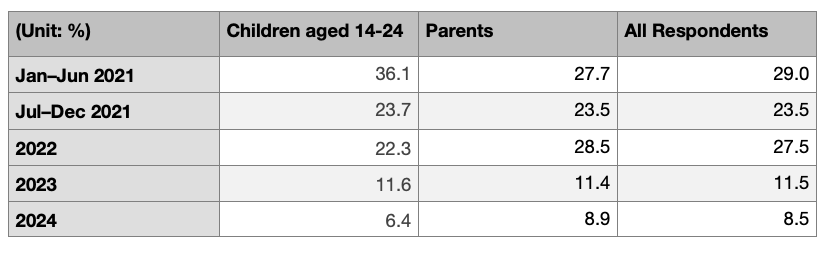
Question: When did your family member first get the BN(O) visa?
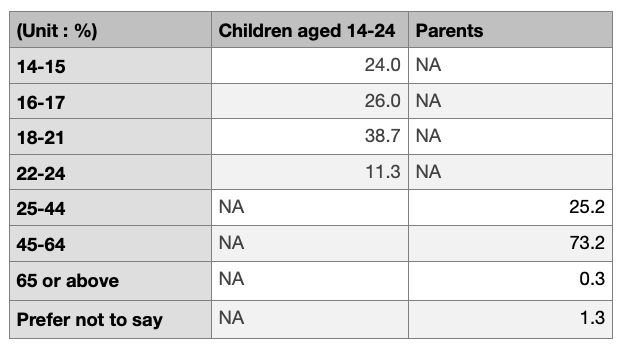
Question: How old are you now?
2. Impact of the Proposed Changes on the Mental Well-being on Children and Parents
Question: Since the government published the consultation in November 2025, how often have you experienced the following?
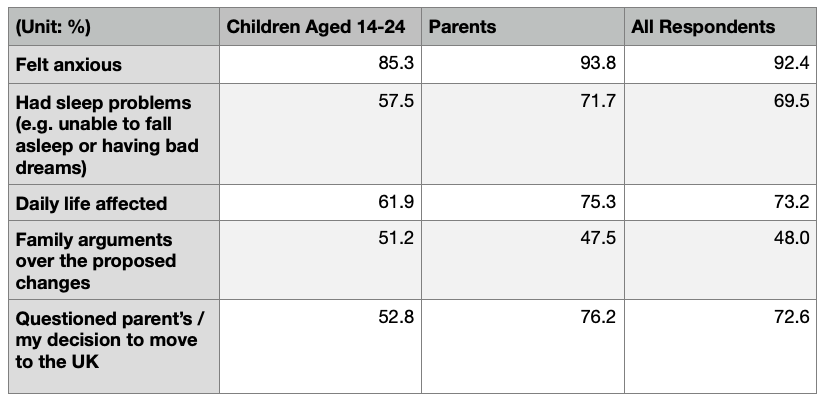
Note: Results for “Often” and “Sometimes” have been combined for all the indicators.
3. Personal Assessment on the Probability of Meeting the Newly Imposed Requirements
Question: How confident are you that you and/ or your family members can earn at least £12,570 per year for at least 3 years?
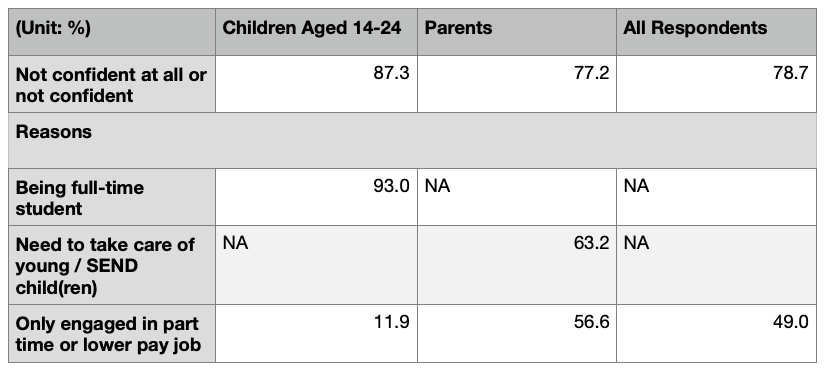
Note: Young people were asked to assess whether they themselves meet the above requirements; parents were asked to assess whether they and/or their family members meet the above requirements
Question: How confident are you that you and/ or your family members can meet the B2 English level requirement?
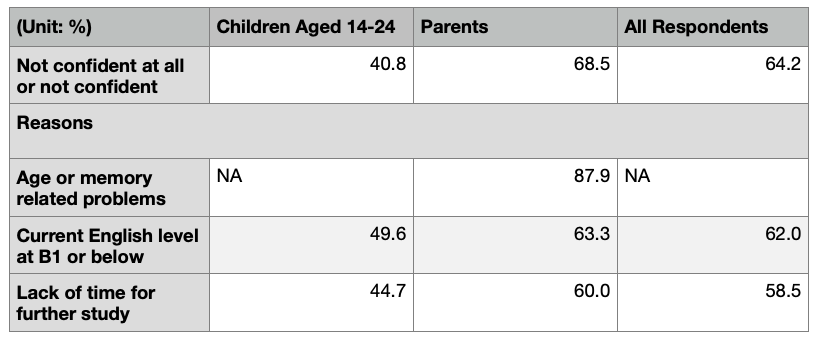
Note: Young people were asked to assess whether they themselves meet the above requirements; parents were asked to assess whether they and/or their family members meet the above requirements.
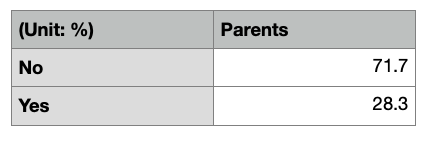
Question: If you had known from the outset that the ILR (settlement) requirements would include demonstrating B2-level English proficiency and personal income of at least £12,570 per year for at least 3 years, would you still have applied for the BN(O) visa?
4. The Impact of the New Requirements if Implemented with No Transitional Arrangements
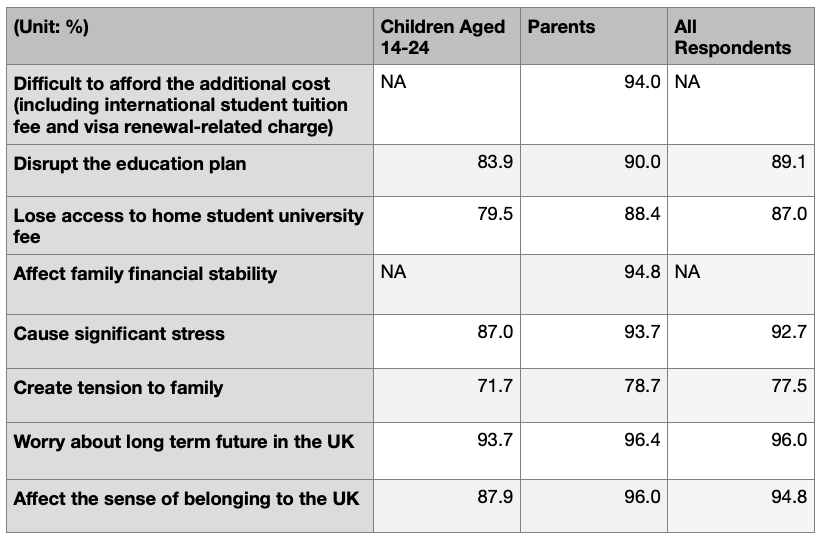
Question: If the new requirements are introduced with no transitional arrangements, how much do you agree that the following would happen to you and to your family members?
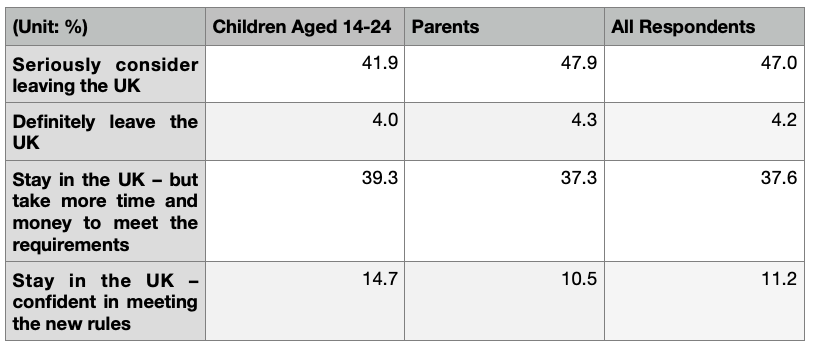
Question: If the new requirements are introduced with no transitional arrangements, which of these best reflects your view?
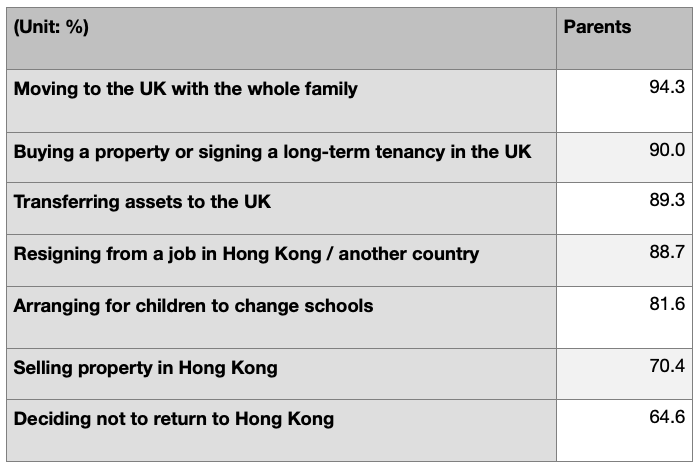
Question: Which of the following major decisions have you made based on the permanent residence conditions announced in 2021?
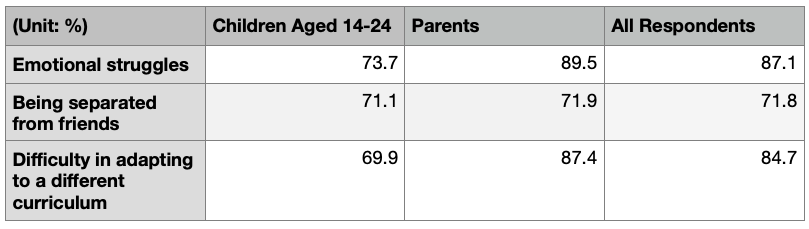
Question: If you had to leave the UK because of these changes, which of these would affect you / your children most?
5. The Proposed Transitional Arrangement
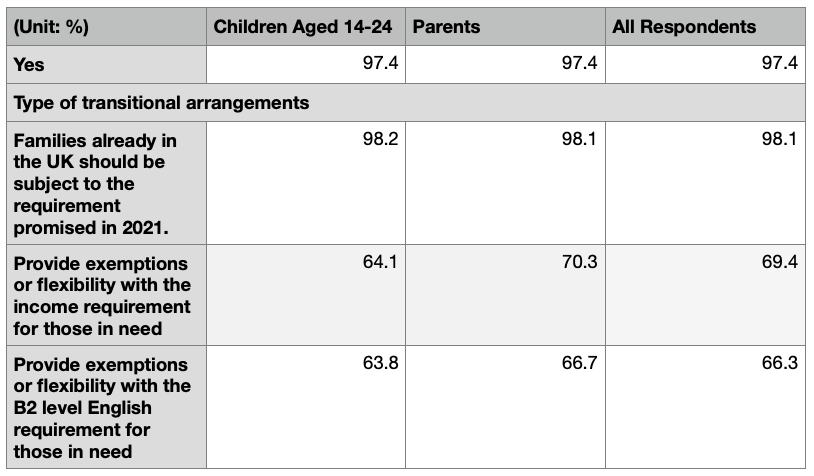
Question: “If the requirements do change, the government should give families already in the UK transitional arrangements.” Do you agree?
-End-
Release Date: 2nd February 2026
This document is the official version. A Word version has been provided to journalists for ease of use, but only this version should be treated as the official release. Any altered copies of the Word file are not authorised.
